

Make a wish
and practice wanting things for yourself

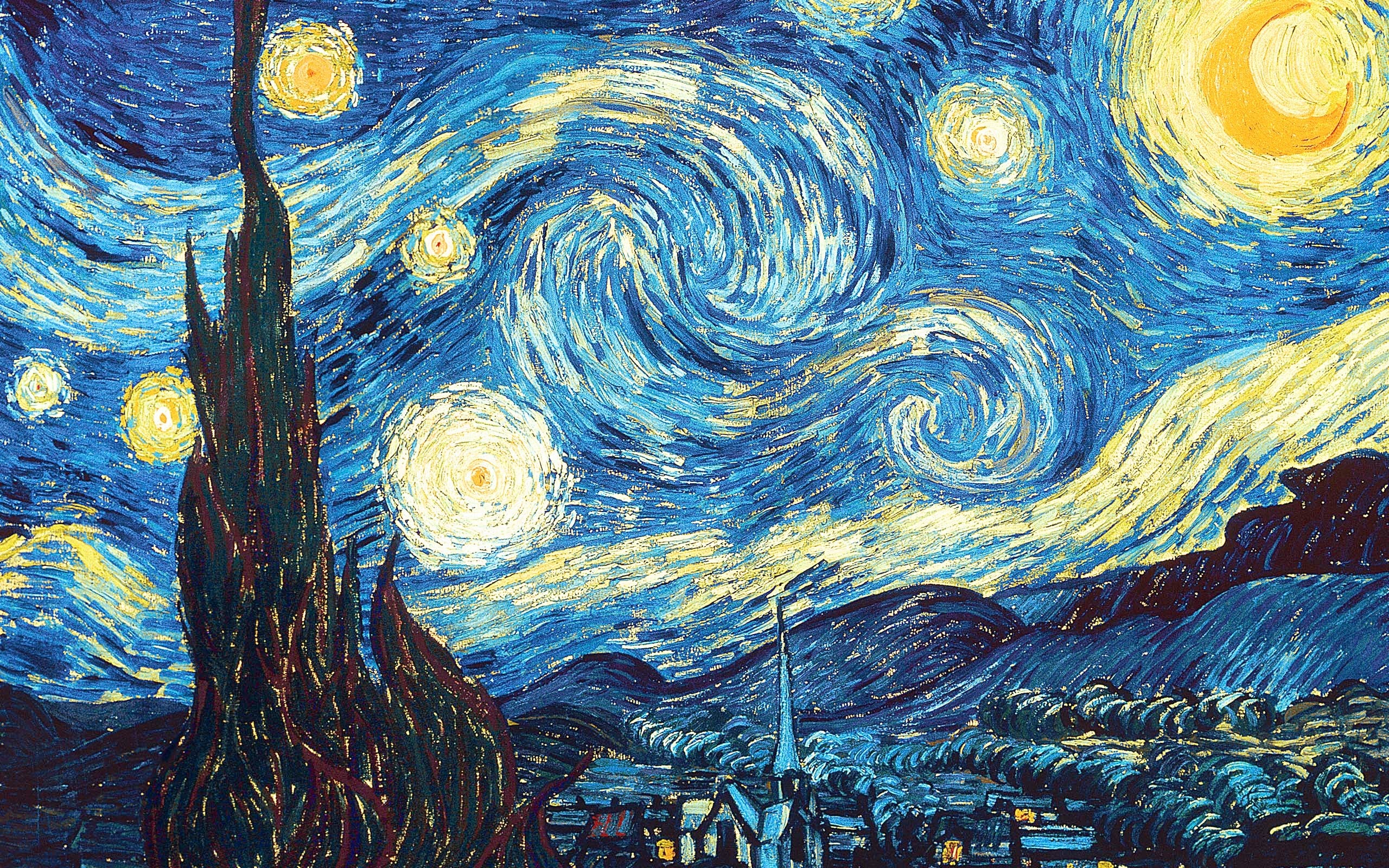
Van Gogh, “Starry Night”-MOMA New York
When I was a child and teenager, we used to watch shooting stars, especially around August 10th. In Italy, it's called "La notte di San Lorenzo," and it's considered the best night to make a wish. The shooting stars were said to make those wishes come true—the more stars you saw, the more wishes you’d be granted. Young people of all ages would gather in dark places, often in the countryside, sometimes with music and drinks, making it a way to come together. I’ve kept that tradition with my kids, and every year, on our last night in Italy at their grandparent’s house, we climbed to the rooftop with all the cousins to look at the stars. I’ve seen the wishes change—from wanting to be a superhero to hoping school would never start again—but you get the point. It’s not the wish itself, it’s the shared hope of possibility that makes something like this special.
One thing I remember very clearly from those nights growing up is that whenever I saw a shooting star—or even just imagined seeing one—there was always a moment of guilt when it came time to make my wish. Maybe it was my Catholic upbringing, but I always felt like I had so many things to wish for. Yet, in that moment, I would freeze up, and the only wish I could make was for my family’s health or for wars to end—something for others, something I considered noble, never something for myself. I felt guilty for wishing for something just for me when so many others had so much less. At the time, I thought this was a sign of generosity, and while I do appreciate that youthful altruism, I see now that there is power in wanting, especially in knowing what you want. The inability to even voice what I desired for myself didn’t make me noble—it just made me confused.
The other day, I started making a list of my goals—short-term and long-term—and I did so unapologetically. While I am still acutely aware of the world's suffering, I also recognize with maturity that desiring things for myself is not selfish. It’s a way to clarify what I can contribute to the world. Getting tangled in guilt over my own desires won’t heal the world.
For a few years now, I’ve been practicing wanting, and the road to making my wishes come true has been anything but smooth. It’s been bumpy, uncertain, but ultimately worth committing to. I still believe the world divides itself into givers and takers, and we are often encouraged to give more. Generosity is a value I hold dear, and it certainly has its place in my life. But as we give, we must also learn to take. Giving without taking is just as dangerous as taking without giving. Balance is the key. Don’t wait for others to take theirs and then hope there’s something left for you. When that slice is offered, take it. The shift in perspective might be jarring at first, but it is necessary. By honoring both our desires and our capacity to give, we can create a better balance—not just for ourselves, but for the world.
And sometimes, the greatest gift we can give is the permission to want.